If you've started pricing up a bathroom renovation, you've probably noticed the numbers vary wildly – one tradie's ballpark is another's starting point. That's because bathroom reno costs depend on so many moving parts: the size of the room, what condition it's in behind the tiles, and how far you want to push the finishes.
This guide walks through realistic 2026 price ranges for Australian bathroom renovations, what actually drives the cost up or down, and where homeowners typically get caught out. As always, treat every figure here as a guide only – get a handful of quotes from licensed local tradies before you commit to a budget.
What Actually Drives the Cost of a Bathroom Renovation
Two bathrooms that look similar on the surface can cost very different amounts to renovate. As a guide, the main factors are:
Scope of works – a cosmetic refresh (new tapware, paint, replace the vanity) costs far less than a full strip-out to the studs.
Layout changes – moving the toilet, shower or drainage points means shifting plumbing, which adds labour and sometimes council approval.
Waterproofing and structural condition – if there's water damage, rot, or asbestos sheeting behind old tiles (common in homes built before the 1980s), remediation can add a significant chunk before the fit-out even starts.
Fixture and finish quality – budget tapware versus a European brand, standard porcelain tiles versus large-format stone-look tiles, a builder's-grade vanity versus custom joinery.
Access and location – upstairs bathrooms, apartments with restricted access, or regional areas with fewer tradies available can push labour costs up.
Trade availability – waterproofers, tilers and plumbers are often booked out weeks in advance in most capital cities, and tight scheduling can affect quotes.
2026 Bathroom Renovation Cost by Budget Tier
As a rough guide only, here's what Australian homeowners are typically budgeting for a standard-sized bathroom (around 4–6 square metres) in 2026. Prices vary by state, city versus regional location, and the individual home – always get multiple quotes.
Budget Tier
Typical Cost Range (AUD, inc. GST)
What's Included
Budget / Cosmetic
$15,000 – $25,000
Keep the existing layout, re-tile or tile over, new standard fixtures, tapware and vanity, basic waterproofing top-up
Mid-range
$25,000 – $40,000
Full strip-out and rebuild, new waterproofing membrane, quality tiles and tapware, semi-custom vanity, some layout tweaks
High-end / Luxury
$40,000 – $70,000+
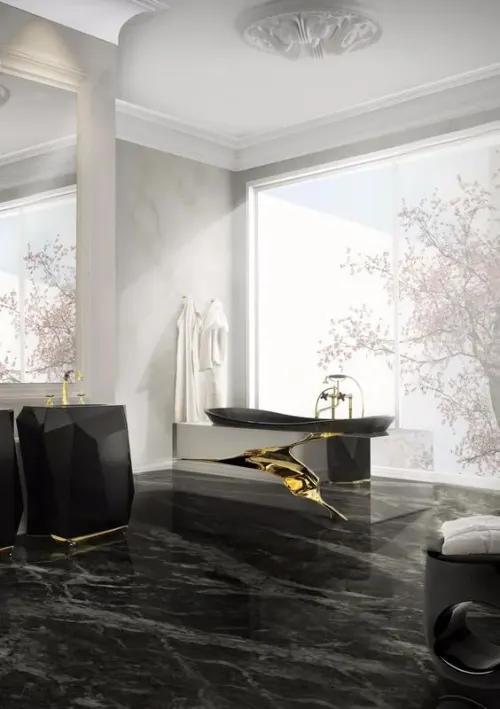
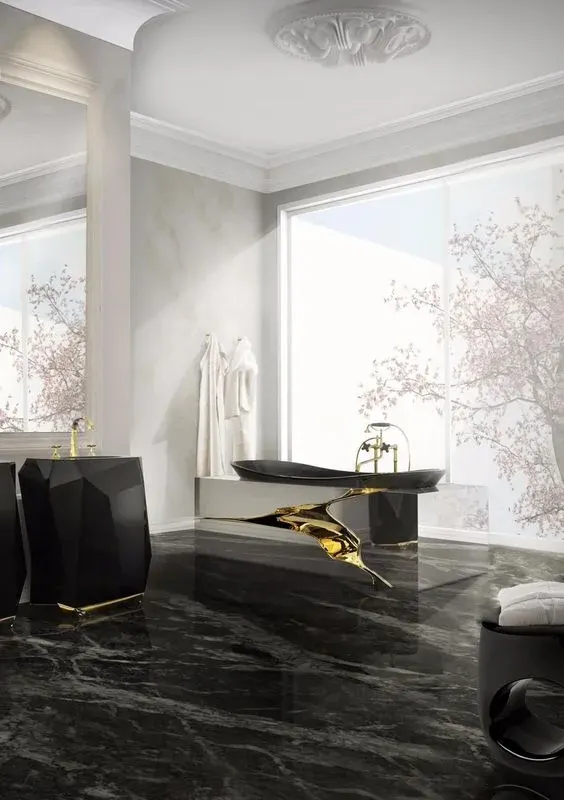
Full layout redesign, freestanding bath, frameless shower screen, custom joinery, heated towel rail, underfloor heating, premium tiles and tapware brands
Ensuites are often slightly cheaper than main bathrooms simply because they tend to be smaller, while a combined bathroom-laundry or a bathroom with a bath and separate shower will usually sit at the higher end of its tier.
Cost Breakdown by Element
It helps to understand where the money actually goes. These are indicative ranges for a standard bathroom, as a guide only – they'll shift depending on your specific job:
Demolition and disposal: roughly $1,000 – $3,000
Waterproofing: roughly $1,500 – $3,500 (non-negotiable – this is what protects the rest of your home)
Tiling (floor, walls, splashback): roughly $4,000 – $12,000, depending on tile size, pattern and quantity
Plumbing (rough-in and fit-off): roughly $2,500 – $6,000, more if pipework is being relocated
Fixtures and fittings (toilet, vanity, bath, shower screen, tapware): roughly $3,000 – $15,000+ depending on quality
Labour and project management: often 30–40% of the total job cost when using a licensed builder or bathroom renovation company
Waterproofing and tiling are usually the two trades that eat up the most time on site, which is part of why bathroom renos take longer than their size suggests.
Small Bathroom vs Large Bathroom: Does Size Really Matter?
Size matters, but perhaps less than you'd expect. A small ensuite (under 3–4 square metres) can still cost close to what a larger bathroom costs, because many expenses – waterproofing labour, plumbing rough-in, tradie call-outs, permits – are fairly fixed regardless of room size.
Small bathroom/ensuite (under 4m²): as a guide, $12,000 – $25,000 for a solid mid-range finish
Standard bathroom (4–6m²): as a guide, $20,000 – $35,000
Larger/family bathroom (6m²+): as a guide, $28,000 – $50,000+, especially if it includes a separate bath and shower
Where size does matter most is materials – more floor and wall area means more tiles, more waterproofing membrane, and potentially a bigger vanity or bath.
Practical Ways to Save on Your Bathroom Reno
There are genuine ways to bring the cost down without cutting corners on the things that matter (waterproofing being the big one you should never skimp on):
Keep the existing layout. Leaving the toilet, shower and vanity roughly where they are avoids costly plumbing relocation.
Reuse the bath if it's in good condition rather than replacing it.
Choose standard-size tiles over large-format or mosaic – bigger and more intricate tiles take longer to lay, which adds labour cost.
Shop mid-range for tapware and fixtures rather than premium European brands – there are plenty of solid, good-looking options.
Get at least three quotes from licensed local tradies or builders and compare like-for-like inclusions, not just the bottom-line number.
Do the demolition yourself if you're handy and your builder allows it, to shave off some labour cost (check with your tradie first, as it can affect timelines and warranties).
Time it outside peak renovation season if possible – tradies are often less booked out and more flexible on pricing in quieter months.
Hidden Costs to Budget For
These are the extras that catch homeowners out and blow the budget if they're not planned for upfront. As a guide, it's wise to set aside a contingency of 10–20% of your total budget for the unexpected:
Water damage or rot discovered once old tiles or the vanity come out – common in older homes.
Asbestos removal if the home was built or last renovated before the early 1990s – this needs a licensed specialist and adds cost.
Council approval or building permits if you're changing the layout, moving windows, or altering structural elements.
Underlying plumbing issues, such as old pipework that needs replacing rather than reconnecting.
Delivery delays on tiles or fixtures, which can extend the project timeline.
Making good surrounding areas – patching hallway flooring, repainting adjoining walls, or fixing anything disturbed during the works.
DIY vs Hiring a Professional
Bathrooms are one of the trickiest rooms in the house to DIY, mostly because of waterproofing and plumbing – get either wrong and you risk leaks, mould and structural damage that cost far more to fix later than they would have to do properly the first time.
Reasonable DIY tasks for a confident homeowner include demolition, painting, and installing accessories like towel rails or mirrors. Tiling is sometimes tackled by experienced DIYers, but a poor tiling job over faulty waterproofing is a recipe for expensive problems down the track.
Waterproofing, plumbing and electrical work should be left to licensed professionals – not just for quality reasons, but because it's a legal requirement in every Australian state and territory.
Do You Need a Licensed Tradie?
Yes, for the core trades – and it's not optional. Across Australia, plumbing and electrical work in a bathroom renovation legally must be carried out by a licensed plumber and licensed electrician respectively. Waterproofing also typically needs to be done or certified by a licensed waterproofer or builder, as most states require a Certificate of Compliance for wet areas.
Beyond the legal side, using licensed tradies means the work is covered by statutory warranty and, in most cases, home warranty insurance for larger jobs – which matters if something goes wrong years down the track. Always ask to see a tradie's licence number and check it against your state or territory's licensing authority (such as the QBCC in Queensland or Fair Trading in NSW) before signing anything.
Next steps and further reading
Once you have a target budget, plug your room size and finish level into our renovation cost calculator for a tailored estimate, then compare it against real quotes.
How much does a small ensuite renovation cost in Australia?
As a guide, a small ensuite renovation typically costs between $12,000 and $25,000, depending on the finish level and whether the layout changes. Even small ensuites carry many of the fixed costs of a larger bathroom, like waterproofing and plumbing labour.
Is it cheaper to renovate a bathroom or move it entirely?
Renovating within the existing footprint is almost always cheaper, since relocating a bathroom means running new plumbing, drainage and often electrical circuits. Moving a bathroom can add thousands of dollars, so it's worth exploring whether you can achieve your desired layout without shifting the wet areas.
How long does a bathroom renovation take in Australia?
A standard bathroom renovation typically takes 3 to 6 weeks from demolition to completion, though this depends on trade availability, whether custom items need to be ordered, and if any unexpected issues (like water damage) come up along the way.
Do I need council approval for a bathroom renovation?
Generally, cosmetic renovations that don't change the layout or structure don't need council approval. However, if you're moving plumbing, altering windows, changing the roofline, or the work affects structural elements, you may need a permit – check with your local council or builder before starting.
What adds the most cost to a bathroom renovation?
Changing the layout (particularly moving plumbing), poor underlying condition (water damage, old pipework, asbestos), and premium fixture or tile choices tend to add the most cost. Sticking with the existing layout is one of the biggest cost-savers available.
Should I renovate the whole bathroom at once or do it in stages?
Doing it all at once is usually more cost-effective, since you avoid paying multiple call-out and mobilisation fees for the same trades. Staging can help spread the cost over time, but it often costs more overall and can mean living with an unfinished bathroom for longer.
Free: the room-by-room renovation checklist
Join the newsletter and get our printable planning checklist and budget worksheet, plus practical ideas for your next project. No spam, ever.